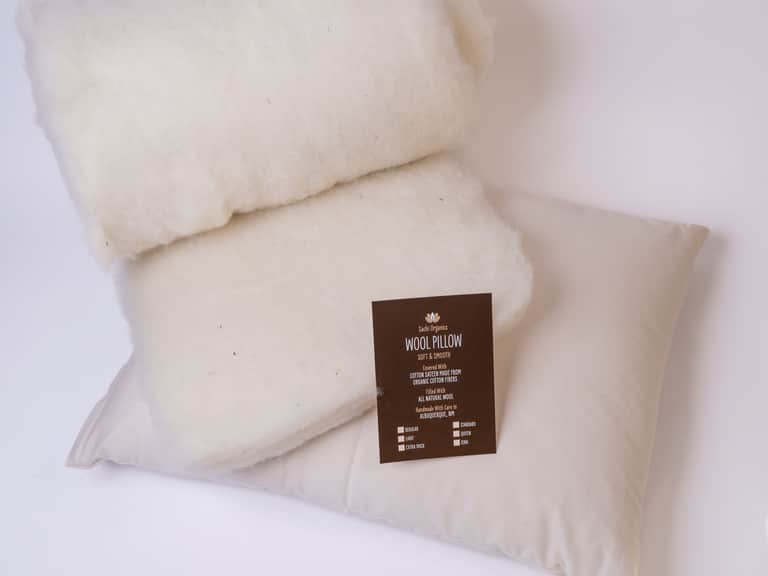
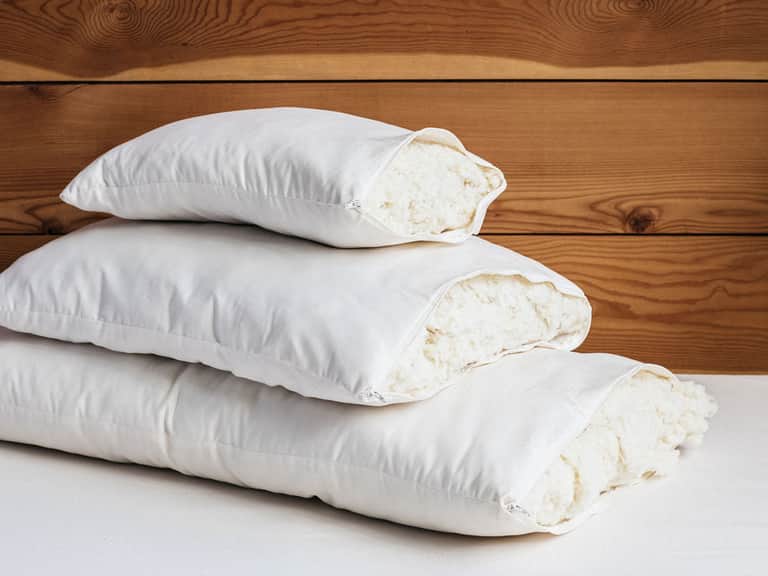
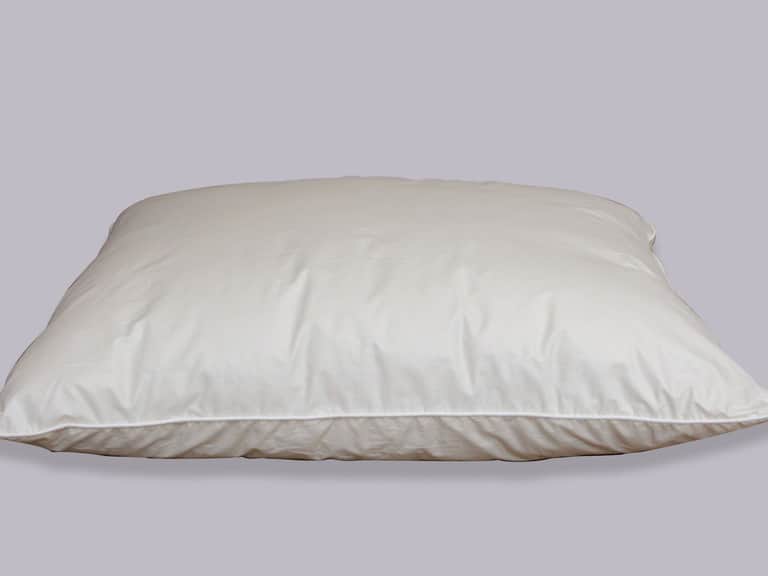
Wool, particularly merino wool, is valued in bedding for its natural properties that promote comfort and resilience. This category explores how wool fibers regulate temperature, wick moisture, and resist odors, making it a versatile choice for varied climates. Understanding the core characteristics helps users evaluate comfort, breathability, and durability in bedding and pillows.
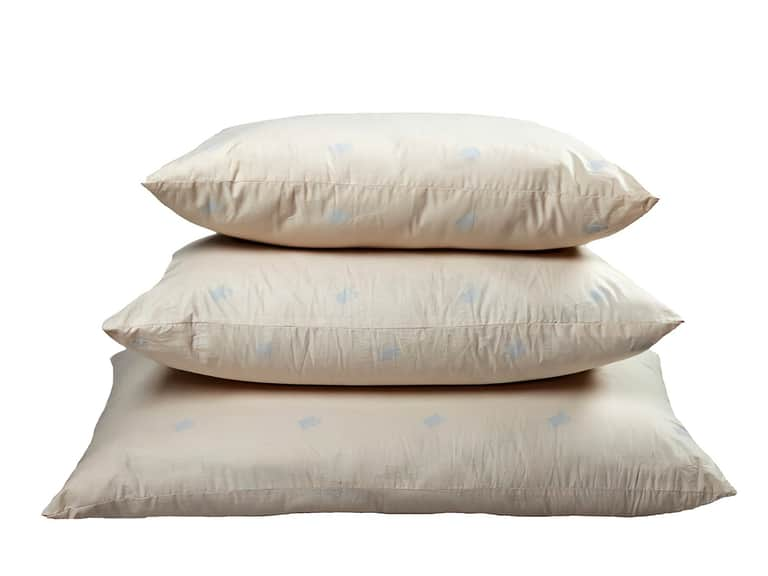
Merino wool fibers offer exceptional softness and a gentle feel against the skin, while maintaining structure for support. The Sleep and Beyond myWool Pillow and Sleep and Beyond MyMerino Organic Wool Pillow exemplify how fiber composition and loft influence sleep posture, alignment, and pressure distribution for restful nights and reduced micro-movements.
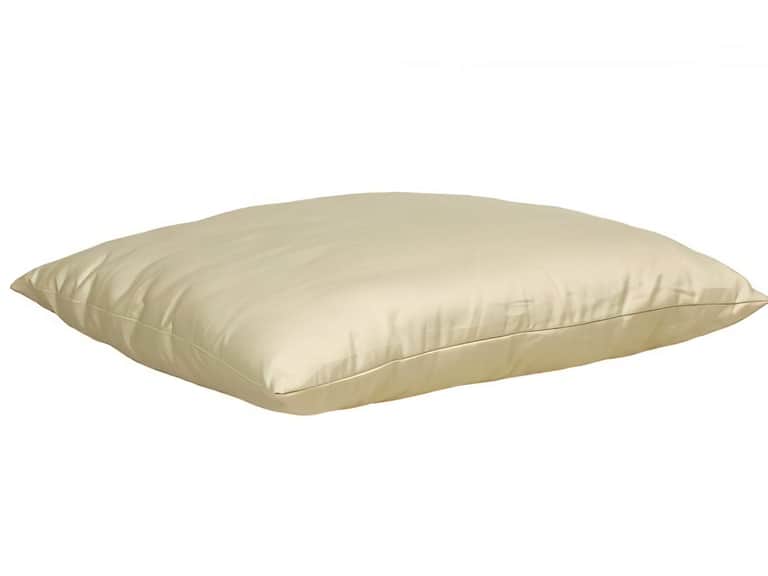
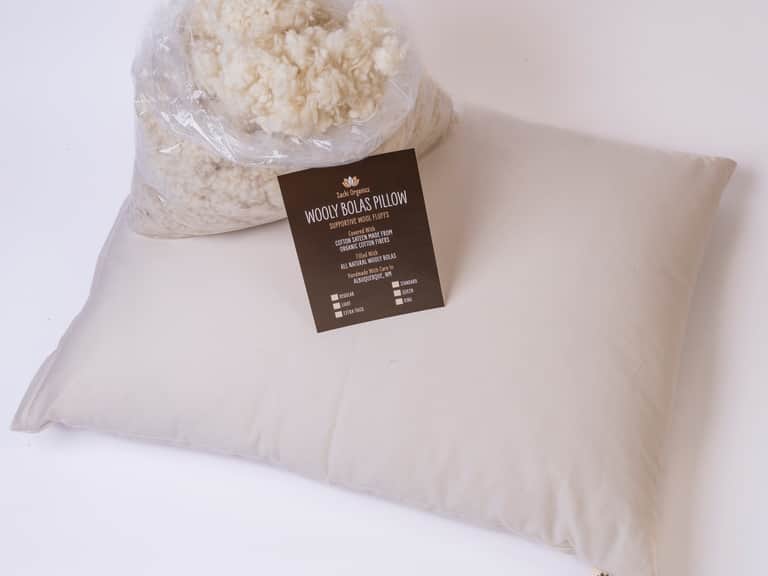
Natural Wool Pillow – Soft and Supportive showcases how blending softness with nuanced support can accommodate different sleep positions. Wool’s crimp and elasticity help maintain pillow shape, provide even weight distribution, and promote airway openness. This makes wool pillows suitable for allergy-aware households and those seeking durable performance.
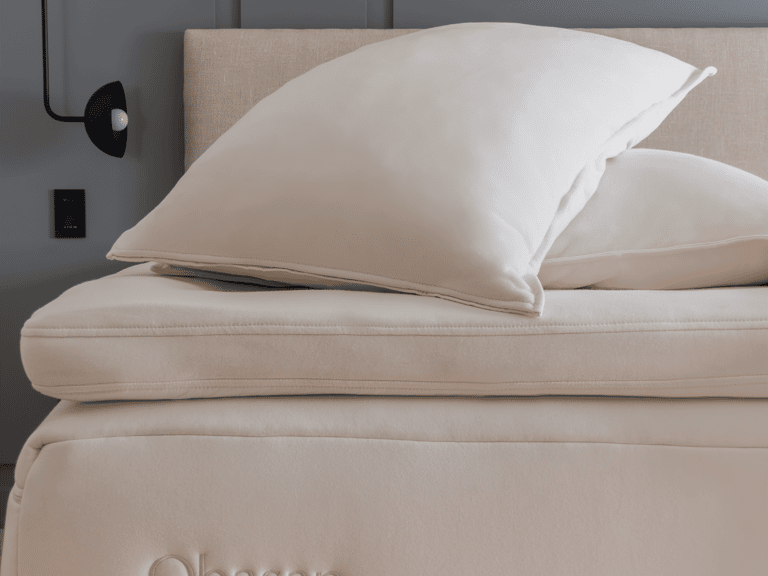
In bed ensembles, wool bedding and wool comforters leverage inherent moisture management and insulating properties. Wool absorbs and releases humidity efficiently, helping to maintain comfort across temperatures. This reduces nighttime overheating and contributes to a more stable microclimate around the sleeper during rest and recovery.
Key features across wool bedding include hypoallergenic potential, temperature regulation, and long-term resilience. By examining product specifics—loft, fill weight, and wool origin—consumers can assess suitability for different sleep styles, climate needs, and care requirements, while keywords such as bedding, pillows, comforters, wool comforters, and wool anchor the informational relevance.
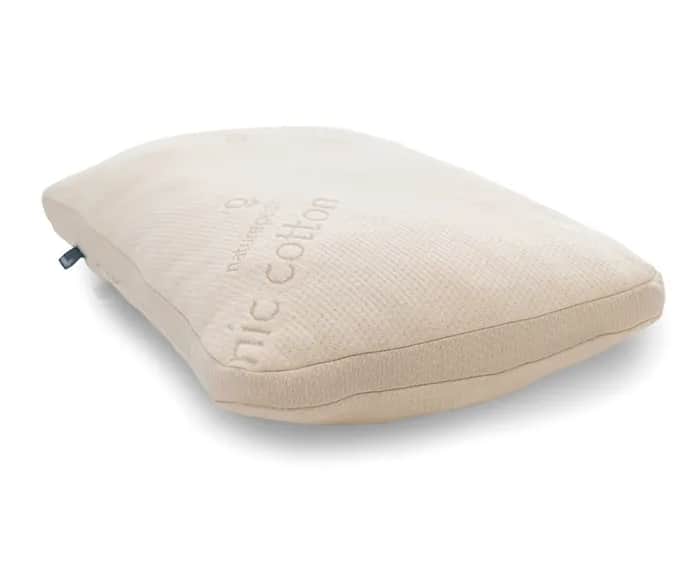 Bedding